
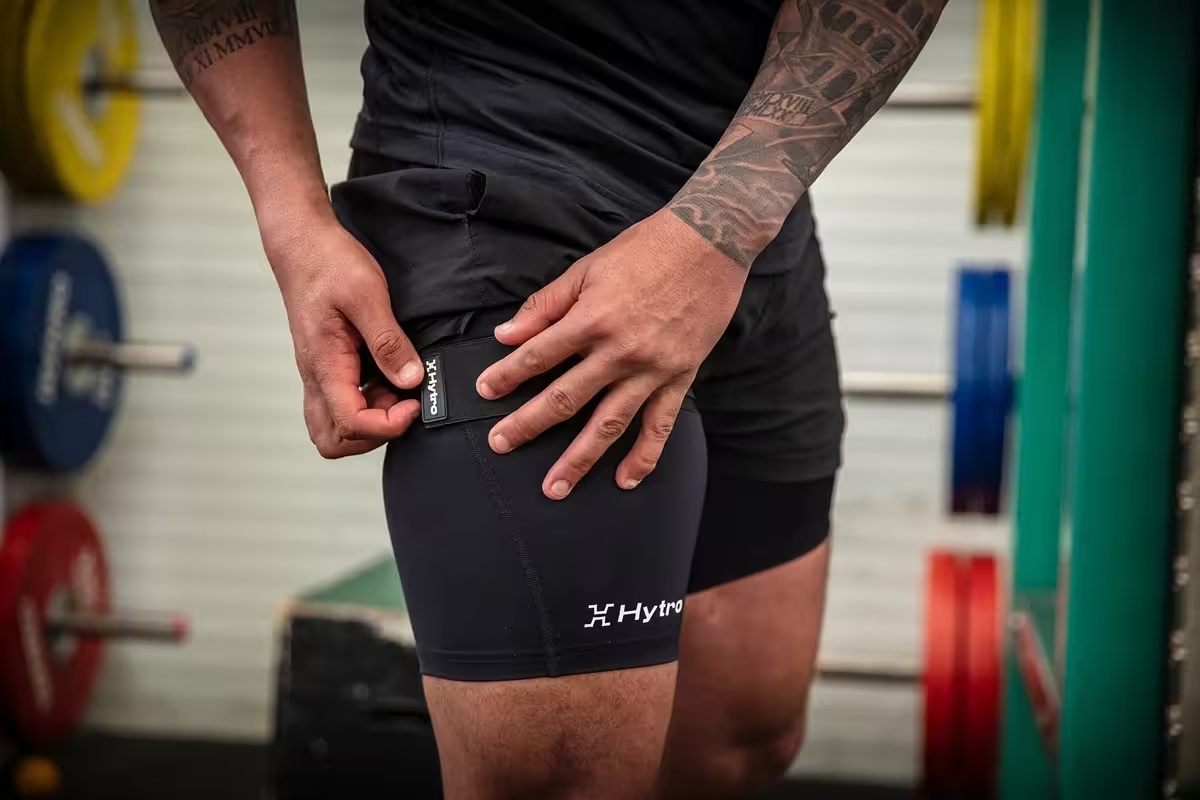
It looks like a pair of compression shorts. It trains like a loaded barbell. Hytro’s blood flow restriction wearables are now used by more than half of NHL teams — and the science behind why is wild.
Picture a pair of training shorts that make a bodyweight squat feel like a heavy set on the leg press. That’s the entire premise behind Hytro — a wearable Blood Flow Restriction (BFR) system built into compression shorts and tees, designed to let athletes build strength, size, and recovery capacity using a fraction of the load their joints would normally take.
Heading into the 2026–27 season, more than half of NHL teams are using it.
The science isn’t new — BFR has over 1,000 research papers behind it — but Hytro is the company that turned it into something an athlete can strap on without a lab technician in the room. A built-in strap applies calibrated circumferential pressure to the upper arm or upper leg. Blood flows in. The return flow gets restricted. The result: a rapid buildup of metabolic stress and swelling in the working muscle, triggering the same strength and hypertrophy signals as heavy lifting — at a fraction of the mechanical load.
Translation for anyone not fluent in exercise physiology: your muscles think they just did way more work than they actually did.
“When you apply the pressure and restrict the flow of blood, you get swelling in the muscle tissue,” says Hytro founder Dr. Warren Bradley, a PhD in exercise physiology. “Then you release it — and they’ll be screaming at you, but Hytro flushes them out.” That flush is the point. It’s the same mechanism behind post-exercise recovery protocols, just engineered into something you wear during warmups, between periods, or on a flight home.dr. warren
Hockey doesn’t give athletes room to accumulate extra wear and tear. Sprint shifts, repeated collisions, and short recovery windows between games mean every extra pound loaded onto a joint during an off-ice session has a cost. BFR lets players drive real strength and hypertrophy adaptations without adding to that cumulative contact stress — preserving joints while still making real gains in the weight room.
That’s the exact use case Hytro built around: pre-game activation to prime the legs, mid-game resets between periods, and post-game or travel recovery to flush fatigue before it compounds into the next matchup.
This isn’t just a trend brands slap a “pro athlete approved” sticker on. Hytro’s technology is backed by a patent protecting its design through 2040, an ongoing six-PhD research initiative studying everything from vascular physiology to smart-textile engineering, and in-field data showing up to a 74% reduction in muscle soreness and a 23% faster return to play. It’s also expanded well past hockey — Hytro is the official BFR partner for WorldTour cycling team Soudal Quick-Step, and the gear shows up across the NFL, MLB, and dozens of college and pro programs worldwide.
Most recovery tech on the market asks athletes to add something to their routine — more time, more equipment, more recovery windows they don’t have. Hytro does the opposite: it makes the training and recovery athletes are already doing work harder, using gear that looks like something they’d already be wearing to the gym. That’s probably the real reason it’s quietly become locker room standard issue across pro hockey before most fans ever heard the term “blood flow restriction.”

.png)


.png)

_converted.avif)